
Trees add beauty and shade to Singapore’s urban landscape, but when storms, accidents, or decay cause structural failure, they can quickly turn into hazards. In such cases, emergency tree cutting is necessary to protect lives, property, and business continuity. Whether you are a homeowner, condo estate manager, or commercial property owner, knowing when to act fast and who to call makes all the difference.
Understanding Emergency Tree Situations in Singapore’s Climate
Singapore’s tropical climate, with its intense rainfall and occasional strong winds, creates unique challenges for urban trees. The combination of monsoon seasons, sudden thunderstorms, and high humidity can weaken tree structures over time. Older heritage trees, in particular, may develop hidden weaknesses that only become apparent during severe weather events.
The island’s dense urban environment also means that when trees fail, the consequences are often more severe than in rural settings. With buildings, vehicles, and pedestrians in close proximity, even a small branch failure can result in significant damage or injury.
Signs That Require Immediate Emergency Tree Cutting
Certain warning signs demand urgent attention:
- Storm damage – Broken branches or uprooted trees after heavy rain or strong winds. Even partially damaged trees can fail completely without warning.
- Leaning trees – A sudden tilt in the trunk indicates root instability. Trees that lean more than 15 degrees from vertical are considered high-risk.
- Cracked or hollow trunks – High risk of collapse, especially in older trees. Vertical cracks often indicate internal structural failure.
- Falling branches – Repeated limb drops are an early signal of decay. Dead branches can fall without warning, even in calm weather.
- Root exposure or damage – Construction work or soil erosion that exposes major roots compromises tree stability.
- Pest infestations – Termites, wood borers, or fungal infections can rapidly weaken tree structure.
- Obstructions – Trees blocking roads, power lines, or building access require immediate removal to restore safety and functionality.
If any of these situations occur, engaging a tree cutting contractor in Singapore ensures the hazard is removed safely and quickly.
Post-Storm Tree Damage Assessment and Safety Protocols
After a storm, property owners should prioritise safety before attempting clean-up:
- Secure the area – Keep people and vehicles away from unstable trees. Establish a safety perimeter of at least twice the tree’s height.
- Check for secondary risks – Look for electrical wires, gas lines, or blocked exits. Never attempt removal if power lines are involved.
- Document everything – Take photos from multiple angles for insurance claims and liability documentation before any removal begins.
- Assess structural damage – Check if the tree has damaged buildings, fences, or underground utilities that may need simultaneous repair.
- Engage professionals immediately – Only trained contractors with tree cutting safety equipment essentials like helmets, harnesses, chainsaws, and rigging equipment should attempt removal.
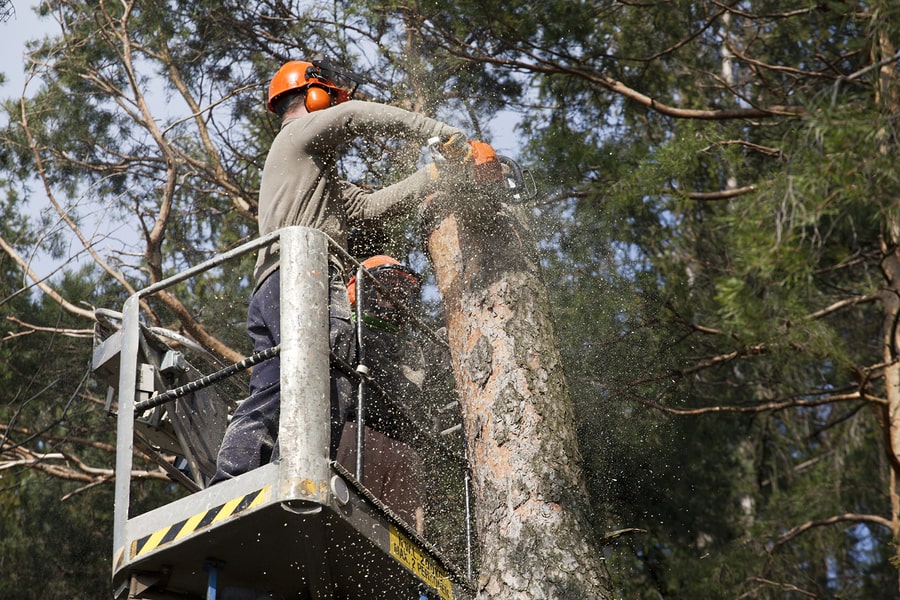
According to NParks Singapore, fallen trees and branches are a common post-storm hazard, and immediate reporting is required for public areas. Private property owners must act swiftly to prevent their liability from escalating.
Safety Risks of Delaying Emergency Tree Removal
Waiting too long to cut a hazardous tree can escalate the danger:
- Injury risks – Even small falling branches can cause serious injuries to pedestrians, residents, or workers passing nearby. Larger branches or a full tree collapse can be life-threatening.
- Property damage – Weak or uprooted trees can crush cars, roofs, fences, or even utility infrastructure like power lines and pipes. The longer the delay, the greater the chance of sudden failure.
- Business disruption – For commercial properties, a fallen tree blocking entrances, damaging signage, or cutting off utilities can halt daily operations and affect revenue.
- Legal and compliance issues – Estate managers and property owners may be held responsible if an accident occurs after a known hazard was left unaddressed. This includes potential liability under workplace and safety regulations.
The SCDF (Singapore Civil Defence Force) stresses that prompt action is critical to minimise these risks and prevent secondary emergencies that could have been avoided.
Cost Factors for Emergency vs Scheduled Tree Cutting
Tree cutting costs vary based on urgency, tree size, and risk level.
| Factor | Emergency Tree Cutting | Scheduled Tree Cutting |
| Response Time | Immediate (within hours) | Planned (days/weeks) |
| Cost | Higher due to urgency & manpower | Lower with advance scheduling |
| Risk Level | High – storm damage, instability | Moderate – routine maintenance |
| Insurance Claims | Often applicable for storm/fall damage | Usually not covered |
Engaging a local tree cutting contractor in Singapore ensures transparent pricing, especially when comparing local tree cutting service costs between emergency and routine jobs.
How to Find Reliable Emergency Tree Cutting Contractors
When choosing a contractor, consider:
- 24/7 availability – Emergencies don’t follow office hours. Look for contractors with dedicated emergency response teams.
- Licensed expertise – Verify qualifications under NParks and BCA guidelines. Check for ISA (International Society of Arboriculture) certifications.
- Safety standards – Ensure use of protective gear and proper equipment. Ask about safety training and incident records.
- Insurance coverage – Comprehensive coverage protects both property owners and contractors. Verify current certificates.
- Local knowledge – Understanding of Singapore’s regulations, tree species, and urban challenges is crucial.
- Proven track record – Look for reviews, case studies, or referrals from similar properties in your area.
- Transparent pricing – Clear emergency rate structures and no hidden fees.
- Cleanup services – Complete debris removal and site restoration capabilities.
Preventing Tree Emergencies Through Regular Maintenance
While emergencies can’t always be predicted, consistent preventive care greatly reduces the risks:
- Routine tree pruning and trimming – Regular tree shaping keeps tree canopies balanced, lowers wind resistance during storms, and prevents heavy branches from overextending.
- Regular health inspections – Professional arborists can detect early signs of decay, pest infestations, or compromised roots that may not be obvious to the untrained eye.
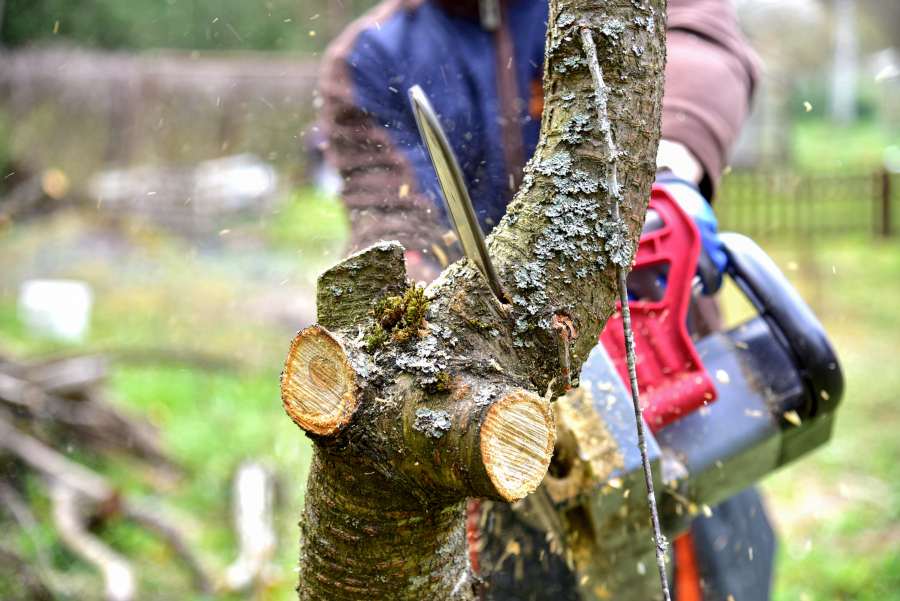
- Professional landscape services – Certified contractors not only maintain tree health but also ensure compliance with NParks and safety regulations, protecting property owners from unnecessary liability.
- Proactive engagement – Partnering with trusted providers such as Tree Pruning Singapore helps keep trees strong, healthy, and less prone to sudden collapse during severe weather.
By investing in maintenance, property owners safeguard both aesthetics and safety — often saving far more in long-term costs than reacting to emergencies after they happen.
Government Emergency Tree Cutting Procedures
In Singapore, public safety and landscape management are tightly regulated to reduce risks from fallen or unstable trees. Different government agencies play specific roles:
- NParks (National Parks Board) – Oversees tree management across parks, roadsides, and other public green spaces. They conduct routine inspections and coordinate removal when public trees pose a threat.
- Town Councils – Manage estate-level incidents in HDB areas, working with certified contractors to clear fallen trees and restore accessibility for residents.
- SCDF (Singapore Civil Defence Force) – Steps in during life-threatening emergencies, such as when trees block major roads, trap vehicles, or damage critical infrastructure. Their role is to secure the site quickly before certified contractors carry out full removal.
- BCA (Building and Construction Authority) – Provides regulations that guide safe and compliant tree cutting practices, ensuring contractors meet structural and safety standards during removal.
It is important to note that private property owners remain fully responsible for managing tree hazards within their premises. Engaging a professional tree cutting contractor in Singapore ensures safety, legal compliance, and swift resolution of potential risks before they escalate.
Conclusion
When storms or sudden tree failures threaten safety, emergency tree cutting is not just an option; it is a necessity. Delays can lead to injuries, property damage, and costly liability issues. The unique challenges of Singapore’s urban environment and tropical climate make professional emergency response even more critical.
Whether you are a homeowner, estate manager, or business owner, having a trusted tree cutting contractor in Singapore on call ensures quick, safe, and compliant removal. The investment in professional emergency services far outweighs the potential costs of delayed action. For urgent support or preventive maintenance, BSG Landscape stands ready as your reliable partner in tree cutting Singapore, protecting people, property, and landscapes with 24/7 emergency response and comprehensive tree care solutions.


