
Trees are a defining feature of Singapore’s green cityscape. Whether you’re a homeowner, estate manager, or business property owner, maintaining trees goes beyond aesthetics — it’s also about safety, compliance, and long-term landscape health. One common question is: should you choose tree cutting or tree pruning?
Both services are vital, but they serve very different purposes. In this guide, we’ll break down the key differences, when each is necessary, the costs involved, and how a landscape contractor Singapore like BSG Landscape can help you make the right decision.
Key Differences Between Tree Cutting And Tree Pruning
| Aspect | Tree Cutting | Tree Pruning |
| Definition | Removal of the entire tree or large sections of it. | Selective trimming of branches and foliage. |
| Purpose | To eliminate hazards, diseased or dead trees, or clear space. | To maintain tree health, improve structure, and enhance aesthetics. |
| Frequency | Typically one-off or occasional. | Regular maintenance, often every 1–3 years, depending on species. |
| Impact | Permanent removal or drastic reduction of the tree. | Promotes growth, safety, and longevity of the tree. |
| Equipment & Skills | Chainsaws, cranes, heavy-duty cutting tools. | Hand saws, shears, pole pruners, and climbing equipment. |
| Cost | Higher upfront cost (depends on tree size/complexity). | Lower recurring cost over time. |
When Complete Tree Cutting Is Necessary vs Pruning
Tree cutting in Singapore is usually recommended when:
- The tree is diseased, dying, or dead, posing safety risks.
- Roots are damaging building foundations, pavements, or underground utilities.
- The tree obstructs major infrastructure, roads, or construction projects.
- NParks or BCA regulations require removal for safety compliance.
Tree pruning is the better choice when:
- Branches are overhanging walkways, creating potential hazards.
- You want to improve airflow, light penetration, and tree health.
- Regular upkeep is needed for gardens, condominiums, or commercial landscapes.
- The goal is to shape the tree for aesthetics or landscaping design.
Professional landscape contractors Singapore, like BSG Landscape, assess tree health and risks before recommending cutting or pruning, ensuring compliance with NParks regulations.
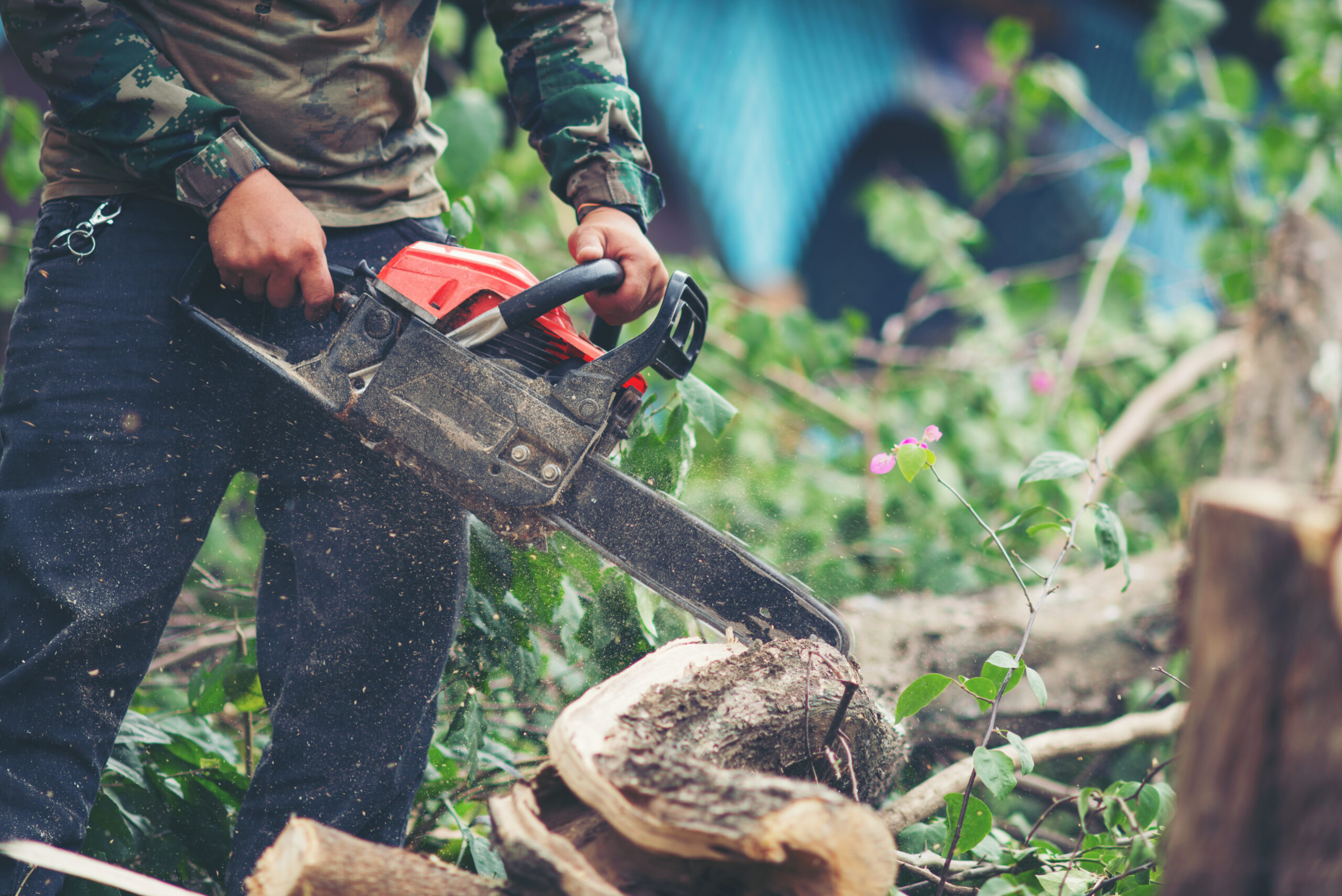
Cost comparison: Tree Cutting vs Extensive Pruning
Tree Cutting Costs
In Singapore, the tree cutting price can vary depending on tree height, location, and equipment needed:
- Small tree cutting: from around $250–$400 for trees under 5 meters
- Medium trees (5-10 meters): $400–$800 depending on complexity
- Large trees: $800 upwards, especially if cranes or traffic management are needed
- Emergency removals: May cost 20-30% more due to urgency and safety requirements
- Additional costs may include stump grinding, debris removal, and site restoration
Tree Pruning Costs
Pruning is generally more affordable because it’s less intensive:
- Regular tree pruning services in Singapore start from $80–$150 per session for smaller trees
- Medium-sized trees: $150–$300 per pruning session
- Large or complex trees: $300–$600, but remain cheaper than full cutting
- Maintenance contracts: Often provide better value for properties with multiple trees
While cutting may seem like a one-time solution, pruning often provides better long-term cost efficiency by extending a tree’s lifespan and reducing emergency risks. The affordable tree cutting price might seem attractive initially, but the hidden costs of losing tree benefits often outweigh the savings.
Environmental Impact Considerations
Impact of Tree Cutting
- Carbon storage loss: Mature trees can store significant amounts of carbon dioxide
- Biodiversity reduction: Trees provide habitat for various urban wildlife species
- Microclimate changes: Removal affects local temperature and humidity
- Stormwater management: Trees help manage Singapore’s heavy rainfall
- Air quality: Loss of natural air filtration capabilities
Benefits of Tree Pruning
Tree pruning supports Singapore’s greening efforts by:
- Maintaining healthy trees that continue to provide shade, reduce heat, and support local wildlife
- Improving tree structure to withstand Singapore’s tropical weather conditions
- Enhancing air circulation while preserving environmental benefits
- Supporting urban biodiversity by maintaining tree habitats
NParks regulations emphasise conservation and only permit tree cutting under approved conditions. Choosing pruning when possible aligns with Singapore’s City in Nature vision and is more sustainable for urban development.
Property Value Impact: Cutting vs Preserving Trees
- Cutting trees may improve property safety or visibility, but removing too many trees can reduce landscape appeal and lower property value.
- Pruned, well-maintained trees enhance curb appeal, create inviting spaces for residents and visitors, and even increase property resale values.
- Commercial properties with lush greenery often report higher customer dwell times and rental premiums.
Long-term Landscape Planning Considerations
For Residential Estates and MCSTs
- Develop a tree management plan balancing maintenance costs with aesthetic goals
- Schedule regular assessments to identify pruning needs before they become cutting requirements
- Budget for both services with emphasis on preventive pruning
- Consider species selection for future plantings that require less intensive maintenance
For Commercial Properties
- Align tree care with corporate sustainability goals and green building certifications
- Plan seasonal maintenance to minimize disruption to business operations
- Integrate landscape maintenance with overall facility management strategies
- Document compliance with environmental regulations for audit purposes
For Homeowners
- Regular monitoring of tree health prevents emergency situations
- Seasonal pruning schedules maintain tree health and appearance
- Professional consultation helps distinguish between pruning and cutting needs
- Long-term planning considers tree growth and property development plans
Choosing the Right Service Provider
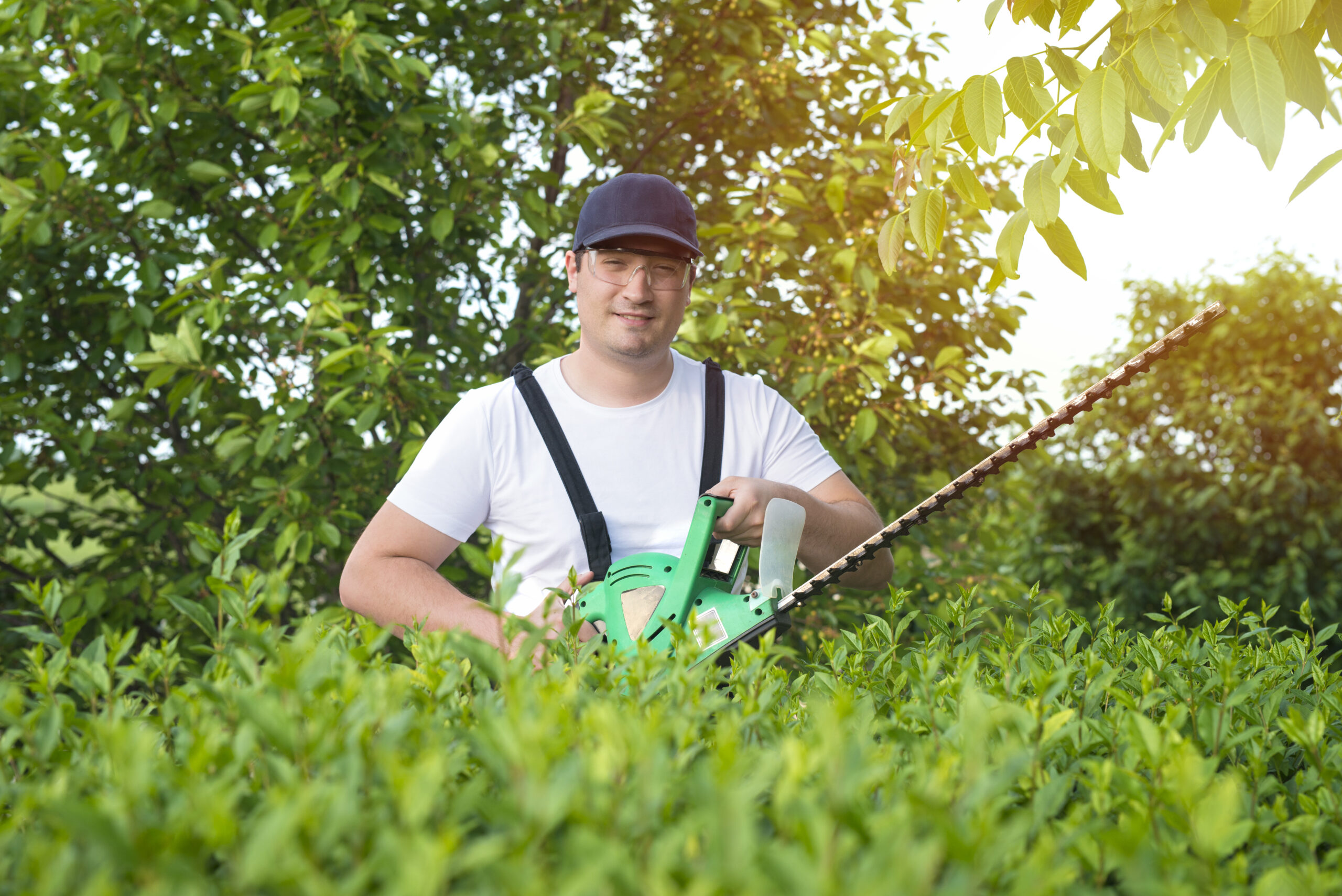
When selecting a landscape contractor singapore for tree cutting or pruning:
- Verify certifications and compliance with local regulations
- Check insurance coverage for both property damage and worker safety
- Request detailed assessments before committing to cutting over pruning
- Compare long-term maintenance plans rather than just immediate costs
- Ensure emergency response capabilities for urgent situations
A professional landscape contractor in Singapore, like BSG Landscape, provides expert assessments, helping you decide whether to prune or cut, while aligning with environmental guidelines and cost efficiency.
Conclusion
In summary, tree cutting and tree pruning serve very different purposes in Singapore’s landscapes. Cutting is necessary when trees pose safety or structural risks, while pruning is essential for ongoing health and aesthetics. The right decision depends on your property’s long-term needs, safety requirements, and compliance with NParks guidelines.
At BSG Landscape, we combine experience, safety standards, and cost-effective solutions to help property owners, MCSTs, and businesses choose the right service. Whether you need a one-time tree cutting service or a regular tree pruning plan, our certified team ensures your greenery is safe, healthy, and visually appealing.
FAQs
What is the main difference between tree cutting and tree pruning?
Tree cutting removes a tree entirely, while pruning involves selective trimming for health and aesthetics.
How do I know if a tree needs to be pruned or cut down completely?
If the tree is diseased, dead, or damaging infrastructure, cutting may be required. Otherwise, pruning is usually sufficient.
What is the average tree cutting price in Singapore?
Prices range from $250 for small trees to over $500 for larger, complex removals.
Does pruning improve tree health compared to cutting?
Yes — pruning extends a tree’s life and promotes healthier growth, while cutting removes the tree entirely.
Are there legal requirements for tree cutting in Singapore?
Yes. Approval from NParks is required for certain trees, especially those under conservation guidelines.
Can pruning extend the lifespan of mature trees?
Absolutely. Regular pruning prevents disease spread, improves airflow, and reduces safety risks.
How do professional landscape contractors decide between cutting and pruning?
They evaluate the tree’s health, location, structural stability, and compliance with regulations before recommending the best option.


