Field maintenance is the scheduled upkeep of a sports field as a complete playing surface: the soil profile beneath it, the drainage carrying water off it, the grass on top, and the markings and edges that make it usable. In Singapore it usually bundles soil testing, aeration, dethatching, mowing, fertilisation, goalmouth repair, irrigation checks and line marking into one recurring programme.
The word carrying the weight is scheduled. A pitch that gets mowed every fortnight is not being maintained, it is being tidied. The difference surfaces around the eighteen-month mark, when the goalmouths have worn to bare soil and the surface holds water for two days after a storm.
What Is Field Maintenance? A Service Overview for Singapore Sports Facilities
A sports field is three layers that have to work together. At the bottom sits the soil profile and drainage, the layer nobody looks at and the one that causes the most expensive failures. Above it sits the root zone, where compaction, pH and nutrition decide whether grass can establish. On top sits the playing surface everyone judges the field by.
Field maintenance keeps all three functioning, which means a contractor watching percolation rates and thatch depth as closely as grass height. Usage pattern matters more than field size here. A school pitch carrying six hours of studded traffic a day will degrade faster than a larger club pitch used twice a week, and its programme has to reflect that.
What Field Maintenance in Singapore Typically Covers: Drainage, Surface, and Edging
Drainage and water movement. Checking subsurface drains are flowing, that gradients still shed water toward them, and that silt or thatch hasn’t sealed the surface. The highest-value work on any Singapore field, and the most commonly skipped.
Surface condition. Aeration to relieve compaction, dethatching to clear the organic mat blocking water and air, top dressing to restore levels, rolling where the surface has gone uneven. Goalmouths and the centre circle need separate attention because they absorb concentrated wear.
Grass health. Soil testing to establish what the root zone lacks, then targeted fertilisation, weed control and pest management. Blanket fertiliser without a soil test is guesswork.
Edging and definition. Trimming borders, refreshing markings, keeping perimeter planting clear of play. Edging looks cosmetic until an overgrown border blocks a drain inlet.
BSG’s field maintenance service covers this full scope, including soil analysis, aeration, dethatching, goalmouth repairs and field markings.
What Is the Difference Between Field Maintenance and Turf Management – Are They the Same Service?
They overlap, but they are not the same service, and the distinction matters when comparing quotations.
Turf management is the agronomy: species selection, soil chemistry, nutrition, disease and weed control, irrigation scheduling, aeration and top dressing. The goal is a healthy, dense sward.
Field maintenance takes in all of that, then adds the field as a sports facility – drainage performance, surface levels and safety, goalmouth reconstruction, line marking, edging, and scheduling around a fixture calendar.
Turf management asks whether the grass is healthy. Field maintenance asks whether the field is playable and safe on Saturday morning. You can have excellent turf management and a field that still floods, because drainage was never in scope. Competitive surfaces need both, which is why turf management usually sits inside a wider field maintenance programme. Check which scope you are buying, because on some invoices “field maintenance” means mowing and marking only.
Why Does a Football Field in Singapore Keep Getting Waterlogged Even After Regular Maintenance?
Singapore’s long-term mean annual rainfall is around 2,113mm across roughly 171 rain days, according to the Meteorological Service Singapore. A field here has to move a lot of water, often. Four reasons it stops:
Compaction has sealed the root zone. Traffic on wet ground collapses the pore spaces water travels through. The surface looks green while behaving like a sealed pan underneath. Only aeration addresses this.
Thatch has become a waterproof mat. Under constant warmth and humidity, the layer of dead stems between grass and soil builds fast. Past roughly 15mm it sheds water sideways instead of letting it through.
Subsurface drains are silted. Drainage lines fill with fine silt over years. Routine surface work never touches them, so they fail quietly while everything visible carries on to schedule.
Surface levels have drifted. Years of divot damage and uneven top dressing flatten the original gradient, and low points start holding water.
There is a compliance angle too. Standing water is a potential mosquito breeding habitat, and the National Environment Agency takes action against premises owners where breeding is found. Diagnosis matters: if the cause is compaction and the contractor’s answer is more sand, the problem returns within a season.
How Often Should a Sports Field in Singapore Be Professionally Maintained?
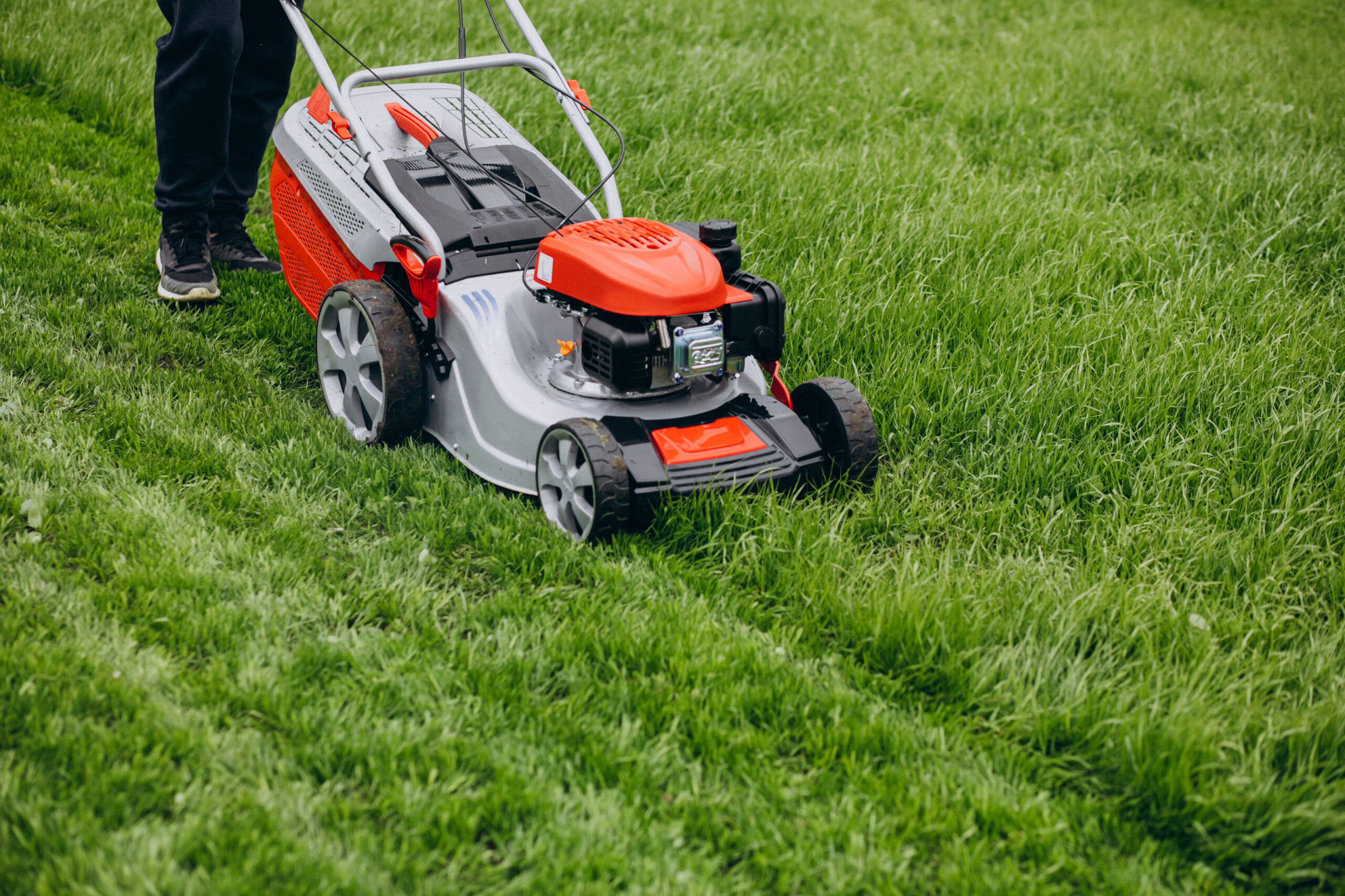
Frequency should follow usage, not the calendar.
- Mowing: weekly to fortnightly, depending on growth and rainfall
- Aeration: two to four times a year on moderate use, quarterly or more on heavy use
- Dethatching: once or twice a year, driven by measured thatch depth
- Soil testing: annually at minimum, with nutrition set from the results
- Goalmouth repair: continuous through the season, reconstruction between seasons
- Drainage inspection: annually, and after any storm leaving standing water
- Full site assessment: annually, to reset the programme against actual condition
A high-use school field may need weekly attention; a lightly used lawn may run monthly. What matters is that someone is measuring compaction and thatch rather than assuming.
FAQ: Field Maintenance Singapore – Costs, Scheduling, and What to Expect
How much does field maintenance cost in Singapore?
Natural grass pitches typically run S$30,000 to S$50,000 a year; artificial turf, S$15,000 to S$25,000.
Is field maintenance the same as landscaping?
No. General landscape maintenance covers grounds and amenity planting. Field maintenance is built around a playing surface, with drainage, safety and playability as the objectives.
Can maintenance fix a field that already floods?
Usually. Compaction, thatch and blocked drains respond to remedial work. If the original build had no drainage design, installation may be needed instead.
Does the field need to close during maintenance?
Mowing, marking and light aeration work around fixtures. Deep aeration, top dressing and goalmouth reconstruction need a few days to two weeks.
How long before a neglected field recovers?
One growing cycle for visible improvement, up to twelve months for the root zone to re-establish.
What should a field maintenance contract specify?
Defined scope, stated frequencies, soil testing intervals, drainage inspection, goalmouth and marking provisions, damage response times, and a named contact.
If your field is holding water or thinning at the goalmouths, the fix starts with knowing which layer has failed. BSG Landscape & Construction has maintained Singapore grounds and sports facilities since 2003 as a BCA-registered landscape company. Contact our team for a site assessment.