Lush greenery is one of Singapore’s defining features, but with mature trees across residential estates, commercial properties, and public spaces, proper upkeep is essential. Tree pruning in Singapore is more than just trimming branches for aesthetic purposes; it plays a vital role in ensuring safety, compliance with NParks regulations, and the long-term health of trees. For property owners and managers, understanding the basics of tree pruning ensures you can make informed decisions when engaging professionals. This guide covers essential techniques, risks of improper pruning, and why expert help is often the safest choice.
Common Tree Pruning Techniques Used in Singapore
Professional arborists rely on proven techniques to manage tree growth safely and effectively. Understanding these methods helps property owners communicate their needs and evaluate the quality of work being performed.
Crown Thinning
This selective branch removal technique improves light penetration and airflow through the tree canopy. Arborists carefully choose which branches to remove, focusing on crossing, rubbing, or weak branches while maintaining the tree’s natural structure. In Singapore’s dense urban environment, crown thinning is particularly valuable for reducing wind resistance during monsoon seasons, helping prevent storm damage to both the tree and surrounding property.
Crown Reduction
This method reduces the overall height or spread of a tree while preserving its natural form and structural integrity. Unlike topping (which is harmful), crown reduction involves cutting back to lateral branches that are at least one-third the diameter of the removed stem. This technique is essential when trees outgrow their allocated space or pose risks to buildings, power lines, or pedestrian areas.
Deadwood Pruning
The systematic removal of dead, diseased, or broken branches serves multiple purposes: eliminating safety hazards from falling debris, preventing the spread of disease to healthy parts of the tree, and improving the tree’s overall appearance. In Singapore’s humid climate, deadwood can harbor pests and fungi, making regular removal particularly important.
Formative Pruning
Applied to young trees, this technique shapes their growth for optimal structural development. Early intervention through formative pruning can prevent costly corrective work later and ensures trees develop strong, well-balanced branch structures that can withstand Singapore’s weather conditions.
Structural Pruning
This advanced technique addresses trees with weak branch unions, co-dominant stems, or other structural defects. It may involve techniques like reducing competing leaders, shortening weak branches, or creating clearance for infrastructure.
Each technique requires specific timing, tools, and expertise to execute properly without compromising tree health or safety.
Crown Reduction vs. Crown Thinning: When to Use Each Method
These two methods are often confused, but they serve distinctly different purposes and are applied in different scenarios:
Crown Reduction is the preferred choice when:
- Trees grow too close to buildings, creating potential damage during storms
- Branches interfere with power lines or telecommunications infrastructure
- Root systems show signs of instability that cannot support the full canopy
- Trees have outgrown their designated space in landscape designs
- Clearance is needed for construction or renovation projects
- The tree’s height poses safety concerns in high-traffic areas
The reduction process involves making cuts back to lateral branches, maintaining the tree’s natural taper and preventing the unsightly “hat-rack” appearance that results from improper topping.
Crown Thinning is most appropriate when:
- Trees appear too dense, blocking light to understory plants or buildings
- Wind resistance needs reduction without significantly altering tree size
- Air circulation through the canopy is poor, promoting fungal diseases
- The tree’s interior branches are dying due to lack of light
- Storm preparation is needed to reduce sail effect during high winds
- Aesthetic improvements are desired while maintaining tree size
Property managers should consult certified arborists to determine which approach best balances safety, regulatory compliance, and long-term tree health. The wrong choice can result in structural weakness, poor regrowth patterns, or unnecessary stress to the tree.
Proper Pruning Cuts to Prevent Disease and Pest Infestation
A correct pruning cut targets the branch collar without damaging the trunk. Poor cuts, such as leaving stubs or cutting too close, create entry points for decay, fungi, and pests. In Singapore’s humid climate, improper wound care can quickly lead to infections or structural weakness.
The Three-Cut Method for larger branches:
- Undercut the branch 12-18 inches from trunk
- Top cut slightly further out to remove the branch cleanly
- Final cut at the branch collar to remove the stub
Professional arborists follow ISA (International Society of Arboriculture) standards, sterilize tools between trees, and time cuts during drier periods to ensure proper healing and minimize disease risk.
Tools and Equipment Used in Professional Tree Pruning
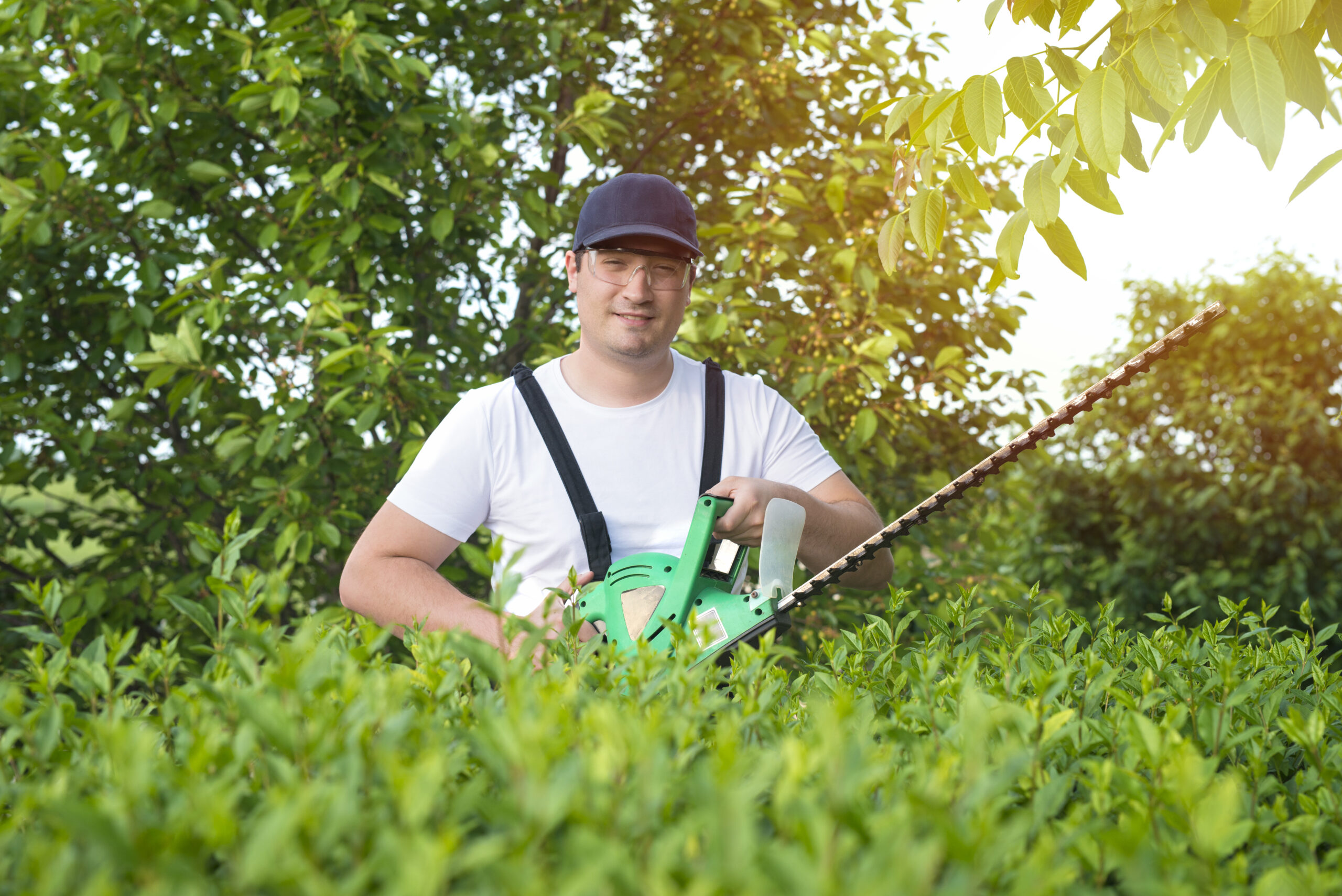
While homeowners may attempt DIY pruning with garden shears, tree pruning professionals use specialized equipment designed for safety, precision, and efficiency:
Essential Professional Tools:
- Pole pruners and chainsaws for high branches and large cuts
- Climbing gear and safety harnesses for safe access to tall trees
- Hand pruners and loppers for precision work on smaller branches
- Wood chippers for efficient waste management and site cleanup
Safety Equipment: Professional crews use helmets with face shields, cut-resistant clothing, first aid equipment, and rigging systems for controlled branch removal.
The investment in professional-grade equipment reflects not only the technical demands but also the safety requirements and liability considerations of working with large trees in Singapore’s urban environment.
Safety Considerations for Tree Pruning in Urban Singapore
Tree pruning in dense urban areas carries significant risks: falling branches, damage to property, and potential injury. NParks requires that large-scale works meet safety and compliance standards, particularly near roads or power lines. Hiring licensed professionals ensures pruning is carried out with risk assessments, barricades, and compliance with BCA safety regulations.
Pruning Techniques for Different Tree Species
Singapore’s diverse urban forest requires species-specific approaches to pruning, as different trees have varying growth habits and structural characteristics.
Rain Trees (Samanea saman) – Require crown thinning to manage heavy, wide canopies while preserving their characteristic umbrella shape. Focus on reducing end weight of long branches and addressing structural issues early.
Palm Trees (Various species) – Only remove completely brown or broken fronds; never over-prune green fronds. Remove heavy seed pods to prevent falling hazards and maintain clearance for walkways.
Angsana Trees (Pterocarpus indicus) – Need formative pruning when young to develop strong structure. Crown reduction may be necessary due to vigorous growth, with timing during drier periods to reduce bleeding.
Yellow Flame Trees (Peltophorum pterocarpum) – Best pruned after flowering to preserve spectacular displays. May require structural reinforcement due to brittle wood and broad spreading habit.
Each species responds differently to pruning, making professional knowledge of local trees essential for optimal results.
What NOT to Do: Harmful Pruning Practices to Avoid
Improper techniques can compromise a tree’s health and safety. Here are the most damaging practices to avoid:
Topping – Cutting main branches or trunk to stubs is the most destructive practice. It removes the tree’s ability to produce food, creates weak shoots, and exposes trees to decay and disease. This leads to ongoing maintenance problems and dramatically reduces property values.
Over-pruning – Removing more than 25% of living branches in one year starves the tree of energy and triggers weak survival growth. This practice reduces the tree’s photosynthetic capacity and compromises root system health.
Poor Cut Quality – Leaving stubs, cutting too close to trunks, creating torn bark, or using unsterilized tools spreads disease and creates entry points for pests and decay.
Wrong Timing – Pruning during wet weather or high disease pressure periods increases infection risk, while poor timing can eliminate seasonal flower displays.
Lion’s Tailing – Removing interior branches while leaving foliage only at branch ends creates structural weakness and concentrates weight at vulnerable branch tips.
These harmful practices often result from inexperience or cost-cutting measures, making professional expertise essential for valuable trees.
How to Identify Quality Pruning Work
Well-pruned trees should have:
- A balanced, natural appearance (not overly lopsided or flat-topped).
- Clean cuts at the branch collar without torn bark.
- Improved airflow and light penetration.
- No excessive removal of live branches.
These indicators help property managers assess whether they are getting value from their tree pruning contractor.
DIY vs. Professional Tree Pruning: A Quick Comparison
| Factor | DIY Pruning | Professional Pruning (BSG Landscape) |
| Cost | Lower upfront, but higher long-term risk | Transparent tree pruning services cost, long-term savings |
| Safety | Risk of injury, property damage | Trained arborists with full safety gear |
| Compliance | May not meet NParks/BCA standards | Always compliant with local regulations |
| Outcome | Uneven cuts, disease risk | Healthy, well-shaped trees that thrive |
Conclusion: Why Professional Tree Pruning Matters
Tree pruning in Singapore is not just about appearance — it’s a vital part of maintaining safe, healthy, and compliant landscapes. By understanding the main techniques and risks, property owners and managers can better appreciate the value of expert care. At BSG Landscape, our team of trained arborists follows international best practices while meeting Singapore’s safety and regulatory standards. Whether for residential estates, commercial properties, or industrial parks, professional pruning protects your trees and your investment. Ready to schedule professional tree pruning services in Singapore? Contact BSG Landscape today to keep your trees safe, healthy, and thriving.
Frequently Asked Questions (FAQs)
How often should trees be pruned in Singapore?
Most mature trees benefit from pruning every 1–3 years, depending on species and location.
What is the difference between crown thinning and crown reduction?
Thinning reduces branch density, while reduction decreases overall tree size.
Is it safe to prune large trees without professional help?
No. Pruning large trees carries significant safety risks and should be handled by certified arborists.
What tools do professional arborists use for tree pruning?
Specialised equipment such as pole saws, climbing gear, and wood chippers ensure safe, effective work.
Can improper pruning damage or kill a tree?
Yes. Bad cuts, over-pruning, or topping can severely weaken or kill a tree.
Are there regulations for tree pruning in Singapore?
Yes. NParks and BCA set safety and compliance standards for tree maintenance in urban areas.